
Maze's Story: The Dog I Could Never Leave Alone
When people meet Maze today, they usually see a happy dog.
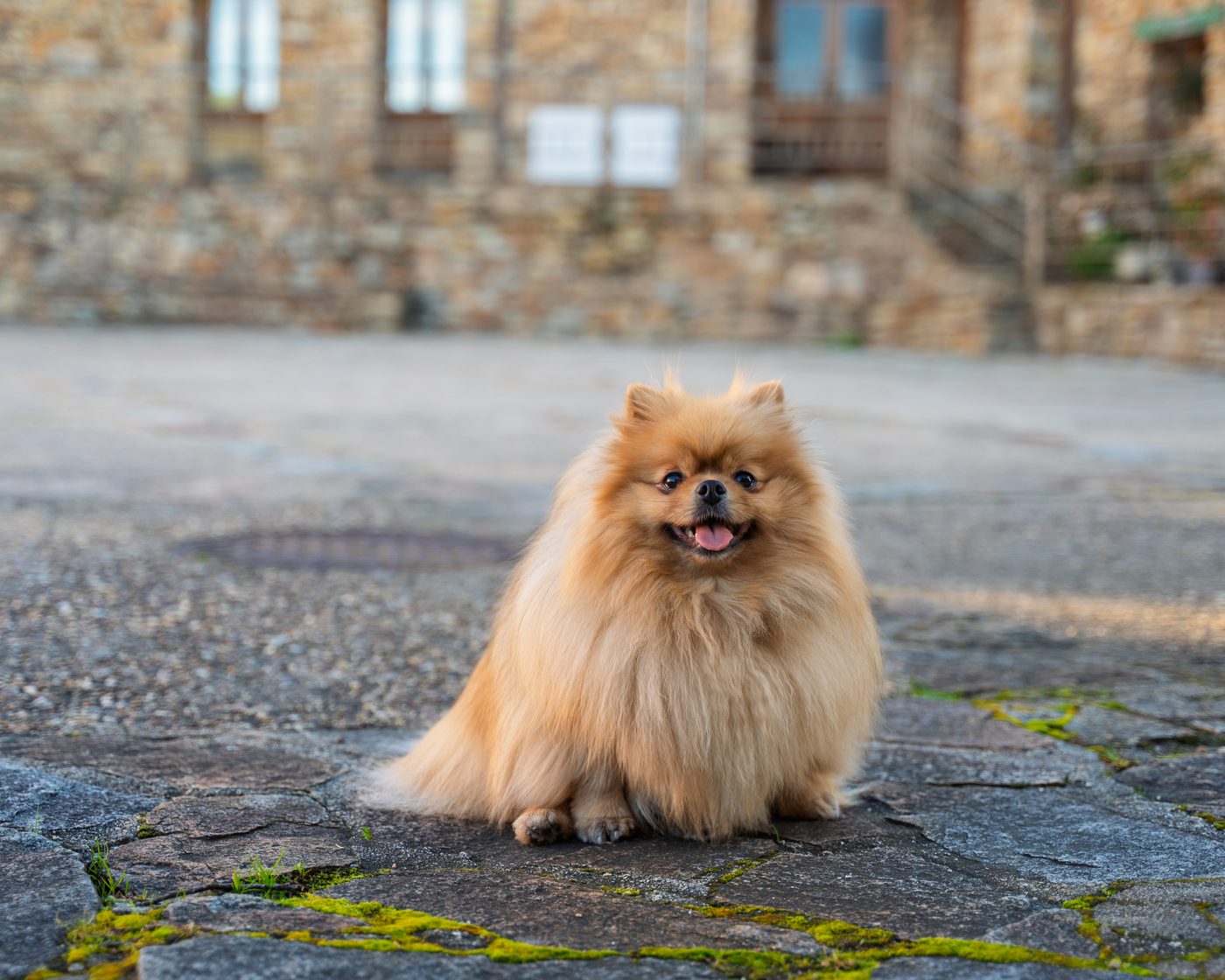
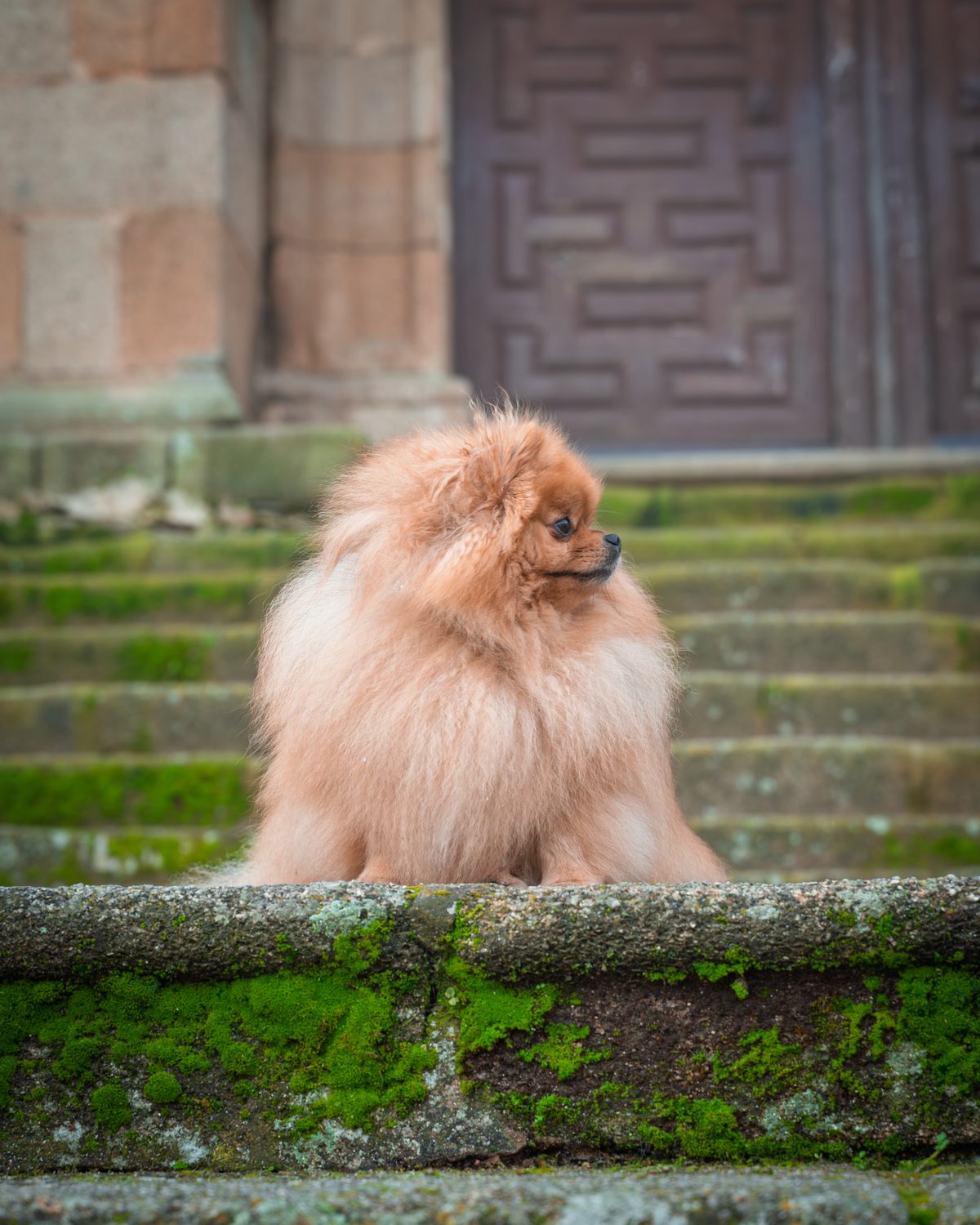
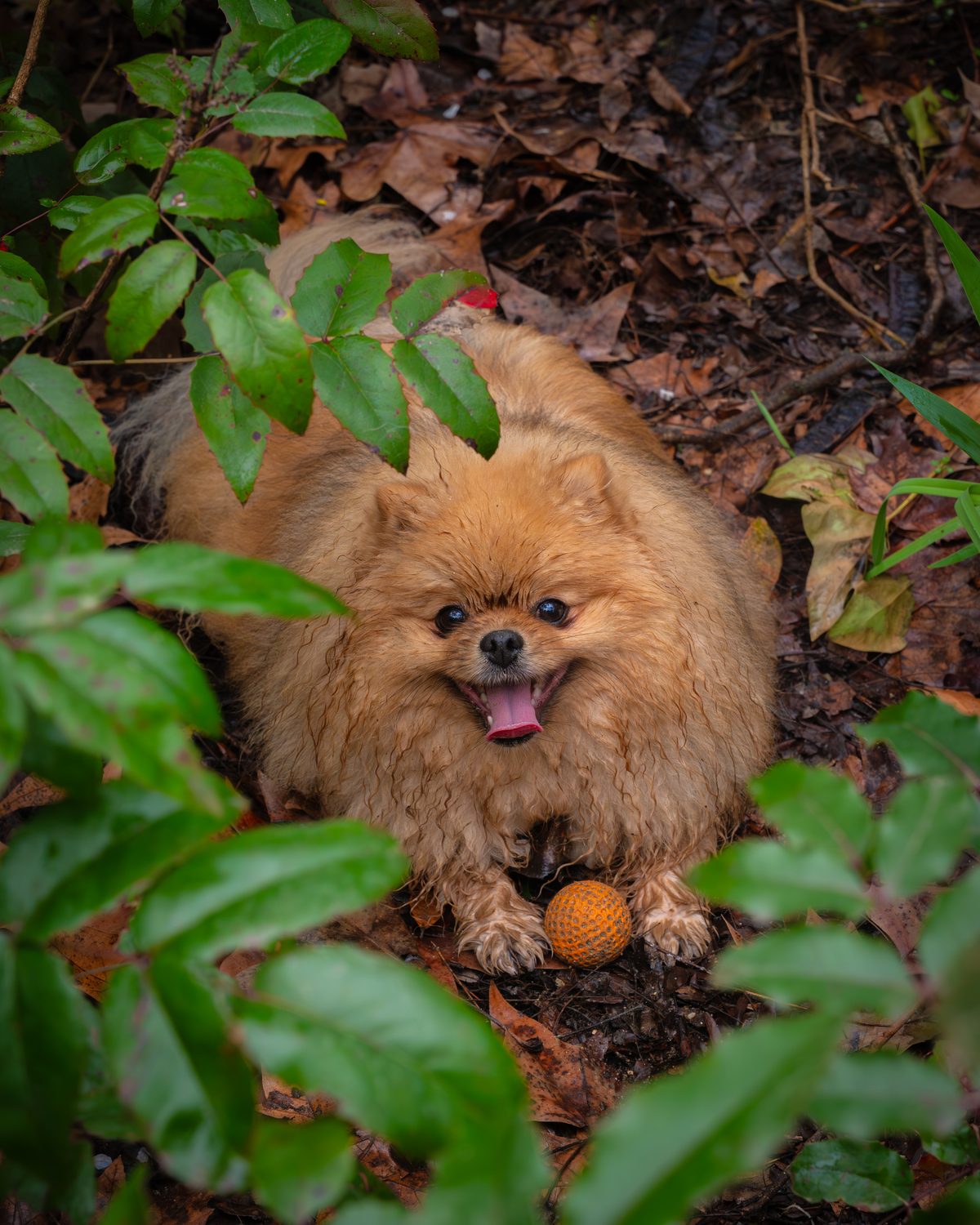
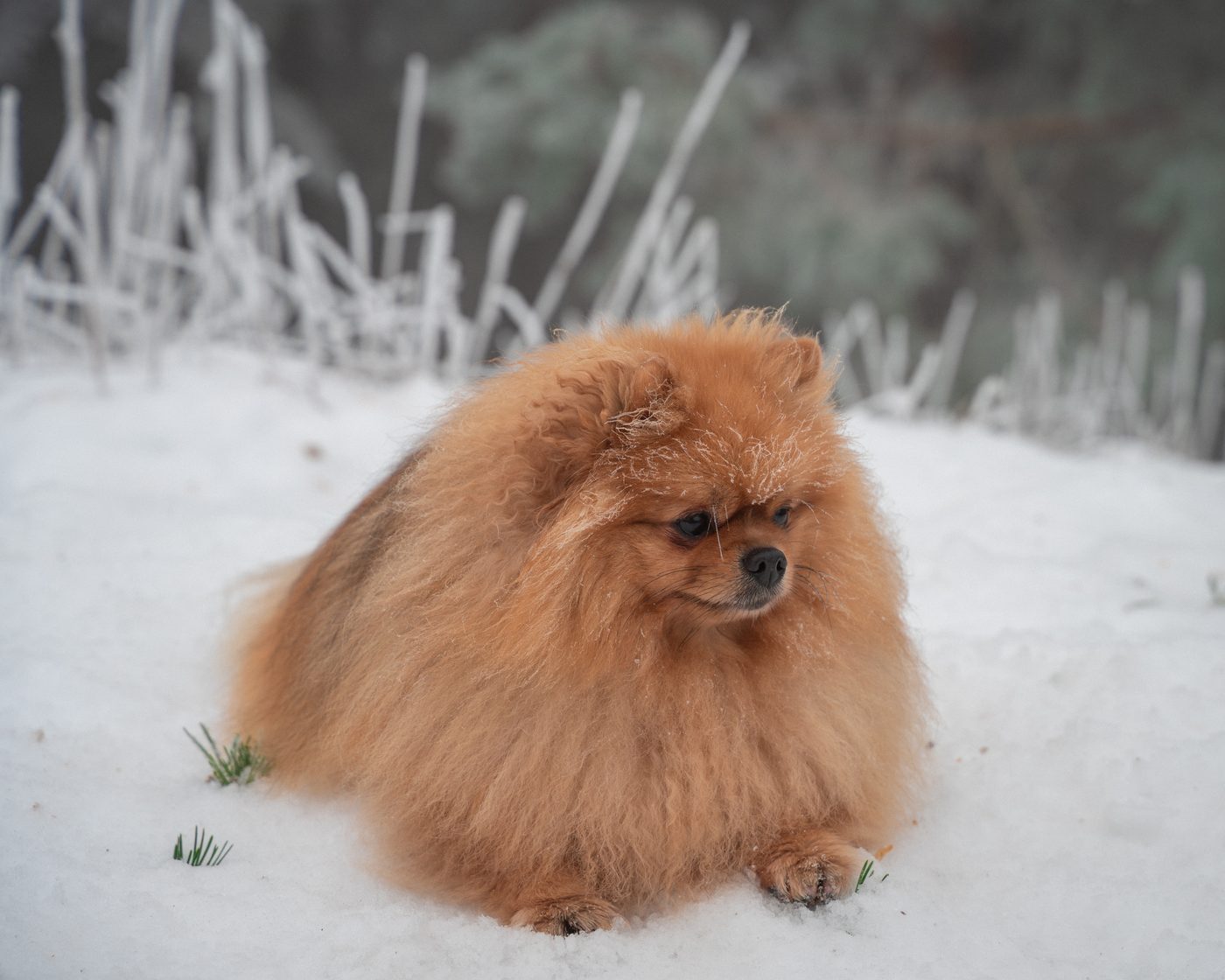
They see a small Pomeranian who wants to greet everyone she meets, who carries a toy around the apartment as if it were the most important object in the world, and who somehow manages to become friends with strangers within minutes. They see a dog who enjoys travelling, adapts quickly to new places, and seems remarkably confident for such a small animal. What they do not see is the journey that brought us here, or how many years it took for both of us to learn that being alone did not have to be something frightening.
Maze is my first dog. Long before she came into my life, I knew I wanted a Pomeranian. There was no particularly rational explanation behind that decision. Every time I saw one, I found myself smiling. There was something about the breed that fascinated me. They seemed to combine intelligence, curiosity, confidence, stubbornness, and charm in a way that made them impossible to ignore. When I finally brought Maze home, she was so small that I could comfortably hold her in both hands. Looking back at photos from those first weeks, she almost seems unreal. It is difficult to believe that the tiny puppy following me around the apartment would one day become the reason I would spend years learning everything I could about dog behavior, canine anxiety, and separation anxiety in dogs.
From the beginning, it was obvious that Maze loved people. She loved food, she loved toys, and she loved learning, but nothing seemed more important to her than human interaction. She wanted to be where people were. She wanted to know what they were doing. She wanted to participate in every conversation, every activity, and every moment of everyday life. At the time, I saw this as a wonderful personality trait. She was friendly, affectionate, social, and deeply connected to the people around her. What I did not realize was that the same quality that made her such a wonderful companion would later become one of our biggest challenges.
Then life changed in a way neither of us could have anticipated.
When the war in Ukraine began, I left home together with a friend. Between us, we had two dogs and two cats. For months we moved through Europe, living in temporary apartments, crossing borders, learning new routines, and trying to build some sense of stability in a situation that felt anything but stable. Looking back, that period feels surreal. Every few weeks there was a different city, a different apartment, and a different environment. Yet through all of it, Maze adapted remarkably well. She learned that unfamiliar places were normal. She learned that travelling was normal. She learned that life could change quickly and still be safe.
What I failed to notice was that she was also learning something else.
She was learning that she was almost never alone.
There was always somebody nearby. If I left the room, there was another person. If there was no person, there were other animals. During one of the most important developmental periods of her life, complete solitude was simply not something she experienced. I do not tell this part of the story because I regret it. At that moment, my responsibility was to keep us safe, and I would make exactly the same decisions again. But understanding separation anxiety means understanding context, and that period became part of Maze's story long before I recognized its significance.
When we finally settled in Madrid, I believed the difficult part of our journey was over.
For the first time in months, life felt predictable again. I had my own apartment, my own routine, and the possibility of building something resembling normal life. The first signs that something was wrong seemed insignificant. Occasionally I would return home and find evidence of an accident. Sometimes I would hear barking as I approached the apartment door. Then a neighbor casually mentioned that my dog barked whenever I left. At the time, I did not think much of it. Many young dogs struggle with being alone. I assumed she would eventually adapt.
Instead of adapting, the problem became impossible to ignore.
The moment that changed everything came when I decided to leave an old phone recording inside the apartment while I was away. Listening to those recordings remains one of the most difficult experiences I have had as a dog owner. I expected occasional barking. I expected some restlessness. What I heard instead was a dog who seemed unable to relax at all. Maze barked continuously. She paced. She monitored every sound. She remained alert for extended periods of time. Most importantly, she never seemed to settle. The thing that affected me most was not the barking itself. It was realizing what the barking represented. While I was away running errands, attending meetings, or doing completely ordinary things, my dog was spending that time experiencing genuine distress.
That realization sent me down a path that would occupy years of my life.
I began reading everything I could find about dog separation anxiety. I hired trainers. I joined online communities. I watched webinars. I experimented with enrichment toys, frozen food, calming music, exercise routines, independence exercises, departure rituals, and countless other techniques recommended by experts and fellow dog owners. Some approaches helped. Some did not. The difficulty was that progress rarely followed a straight line. One week would feel encouraging, and the next would make me question everything I thought I had learned. Like many owners dealing with separation anxiety in dogs, I became obsessed with finding the answer.
The cameras came later, and looking back, they were one of the most important investments I ever made.
Until then, every departure felt like a mystery. I knew how Maze behaved before I left and after I returned, but I knew very little about what happened in between. The recordings replaced assumptions with evidence. They showed me difficult moments, but they also revealed things I would never have noticed otherwise. One afternoon, while reviewing footage, I saw something that probably sounds completely ordinary to most people. Maze was sleeping. Not lying down while remaining alert. Not resting for a moment before jumping up again. She was genuinely asleep. I remember watching that section of the recording several times because I could hardly believe it. After months of seeing a dog who spent every absence waiting, monitoring, and worrying, watching her sleep felt like witnessing a breakthrough.
That moment changed the way I measured progress.
Until then, I had focused almost entirely on duration. How many minutes could she stay alone? How long before the barking started? How long before she became distressed? Gradually, I began paying attention to different questions. Could she relax? Could she settle? Could she sleep? Could she experience my absence without spending every moment waiting for my return? Those questions turned out to be far more important than any stopwatch.
The progress came slowly, almost so slowly that I sometimes failed to notice it. There was no miracle technique and no single piece of advice that transformed everything overnight. Instead, there were hundreds of small observations, countless experiments, and years of learning how to understand the dog in front of me rather than searching for a universal solution. One hour eventually became two. Two became three. Three became four. More importantly, the quality of those hours changed. The dog who once spent every absence in a state of stress gradually learned that being alone did not automatically mean something was wrong.
What surprised me most was how much separation anxiety affected me as an owner.
Most conversations focus on the dog, and understandably so. The dog's wellbeing should always come first. Yet there is another side to the experience that people rarely discuss. Every invitation requires planning. Every dinner, appointment, movie, or weekend trip begins with the same question: what am I going to do with my dog? Over time, the problem stops being an isolated training challenge and starts shaping your daily life. It influences your decisions, your freedom, and sometimes even your relationships. For years, I searched for better ways to help Maze, but I was also searching for a way to understand what was actually helping.
The deeper I became involved in the process, the more frustrated I grew with the tools available to dog owners. I had notes scattered across notebooks, spreadsheets filled with observations, videos from different cameras, reminders on my phone, and memories of experiments that may or may not have worked. I could tell you what happened yesterday, but understanding patterns across months or years felt almost impossible. I realized that many owners were facing the same challenge. We were collecting enormous amounts of information about our dogs without having a practical way to turn that information into insight.
That realization eventually became the seed of an idea.
As a product manager, I spend much of my professional life helping people make better decisions through data, systems, and technology. One day it occurred to me that I had spent years wishing for exactly that kind of system in my personal life. I did not need another article telling me that exercise was important or that consistency matters. What I needed was a way to connect observations, identify patterns, track progress, and better understand my dog's unique experience. That idea gradually evolved into Qualma.
Today, when I think about Maze, separation anxiety is no longer the first thing that comes to mind. I think about the tiny puppy I carried home. I think about the dog who crossed Europe with me during one of the most uncertain periods of my life. I think about the companion who unintentionally taught me patience, observation, and empathy in a way that no book ever could. Separation anxiety was never the entire story. It was simply the challenge that forced me to pay closer attention.
And perhaps that is the most important lesson Maze taught me. Progress did not begin when I found a perfect solution. Progress began when I stopped searching for shortcuts and started understanding the dog in front of me. Everything that followed grew from that simple idea.