Be Careful With Food Enrichment: How To Use Treats Safely During Separation Anxiety Training
Food enrichment is one of the most popular tools used to help dogs during separation anxiety training, but it is not always as safe as it appears. Overfeeding, choking hazards, inappropriate chews, damaged enrichment toys, and digestive issues can all create additional problems if owners are not careful. This article explores the risks associated with food enrichment, how to choose safer options, and why understanding your dog's individual behavior matters more than following generic recommendat
Food Can Help, But It Is Not Automatically Safe
Food is one of the most practical tools many owners discover during a separation anxiety journey. It can help some dogs stay engaged during the first minutes of a departure, create a calmer routine, and give the owner a small window of time for short absences. Frozen food, lick mats, food puzzles, snuffle mats, long-lasting chews, and treat-filled toys can all become useful parts of a management plan when they are chosen carefully and used with realistic expectations. For some dogs, food enrichment creates exactly the kind of focused, repetitive activity that helps them shift attention away from the door and toward something more calming. This is why food appears so often in conversations about separation anxiety, and it is also why many owners begin experimenting with it very early in the process.
At the same time, food enrichment is not harmless simply because it is common. Many owners start using treats, chews, frozen meals, and enrichment toys with good intentions, but without fully considering the risks. A dog who is highly food-motivated may consume far more calories than the owner realizes. A dog who is stressed may chew too intensely, swallow too quickly, or interact with food in a way that becomes unsafe. A chew that looks natural may be too hard for the teeth, too sharp for the mouth, or too risky to leave with an unsupervised dog. A toy that works beautifully for one dog may be dangerous for another dog who tries to destroy it. This is why food can be useful, but it also requires thought, observation, and honesty about the individual dog in front of you.
The First Risk Is Overfeeding
One of the easiest mistakes to make with food enrichment is forgetting that enrichment food is still food. A frozen lick mat, a stuffed toy, a puzzle feeder, a chew, and a few training treats may each seem small when considered separately, but together they can add a significant amount to the dog’s daily intake. This is especially important for small dogs, where even modest portions can represent a large percentage of daily calories. Owners who are desperate to make departures easier may begin adding enrichment several times a day without adjusting meals elsewhere. Over time, this can create a new problem that has nothing to do with separation anxiety but still affects the dog’s quality of life.
Obesity in dogs is not a cosmetic issue. Extra weight can affect joints, mobility, breathing, stamina, inflammation, and long-term health. A dog who gains weight because enrichment was used too generously may become less comfortable, less active, and more physically vulnerable. This matters because separation anxiety treatment is already difficult enough without accidentally creating additional health challenges. If food becomes part of the management plan, it should be included in the dog’s overall feeding strategy rather than added on top of everything else. In many cases, part of the dog’s normal meal can be delivered through enrichment instead of from a bowl, which allows the owner to use food creatively without simply increasing total intake.
Owners also need to be honest about their dog’s personality around food. Some dogs are moderate and naturally stop when they are satisfied, while others will eat as much as they are offered. Food-motivated dogs can be wonderful training partners, but they also require careful portion control. Their enthusiasm can make it tempting to keep offering more because the dog appears happy and engaged. However, the goal is not to keep the dog eating endlessly. The goal is to use food strategically, safely, and in a way that supports emotional wellbeing without damaging physical health.
Not Every “Natural” Chew Is A Safe Chew
Many owners feel more comfortable offering products that look natural, such as horns, antlers, bones, dried animal parts, ears, feet, sticks, or hard chews. The assumption is understandable because these products often appear less processed than commercial treats. However, natural does not automatically mean safe. Some hard chews can be too tough for a dog’s teeth and may contribute to fractures, especially in dogs who chew with force. Some products can splinter, creating sharp pieces that may irritate or injure the mouth, throat, stomach, or intestines. Others may become slippery or small enough to swallow after the dog has been chewing for a while.
The risk becomes higher when the dog is unsupervised. During separation anxiety management, owners often want to give a chew and leave the house, but this is exactly where caution becomes important. If the dog breaks off a sharp piece, tries to swallow something too large, or begins choking, the owner is not there to intervene. A chew that feels acceptable during supervised relaxation may not be appropriate during an absence. This distinction matters because many dogs chew differently when stressed. They may become more intense, more frantic, or less careful than they would be if they were calmly chewing beside the owner.
This is especially relevant for items such as ears, dried legs, bones, and similar chewables that some dogs attempt to swallow whole or in large pieces. Certain breeds and individual dogs are more likely to gulp food than chew slowly. A dog who tries to swallow quickly may turn a treat into a choking risk, even if the product itself is popular among other owners. The safest choice is not the treat that receives the best reviews online. The safest choice is the one that matches your dog’s size, chewing style, digestion, temperament, and supervision conditions.
Stress Can Change How A Dog Eats
One of the most important details owners often overlook is that dogs may eat differently when they are stressed. A dog who calmly enjoys a chew while the owner is sitting nearby may behave very differently when the owner has left the apartment. Anxiety can change speed, intensity, coordination, and decision-making. Some dogs refuse food entirely when anxious, which tells us that their emotional state is too elevated for enrichment to work. Other dogs do the opposite and become intense with food, chewing quickly, swallowing rapidly, or trying to finish the item before the owner disappears completely.
This is why testing matters. Before leaving any food item with a dog during an absence, owners should observe how the dog interacts with it while supervised. They should watch whether the dog chews carefully or tries to gulp. They should notice whether the dog becomes possessive, frantic, frustrated, or overly excited. They should check whether the item changes shape in a way that creates risk. They should also consider what happens when the item becomes smaller. Many chews are relatively safe when large but become dangerous when they shrink to a swallowable size.
For separation anxiety specifically, the goal is not simply to occupy the dog at any cost. The goal is to support the dog’s emotional state in a safe way. If a food item creates frantic behavior, digestive upset, choking risk, or excessive arousal, it may not be the right tool even if it keeps the dog busy. Busy is not always the same as calm. A dog can be highly engaged and still emotionally dysregulated. Owners need to look at the whole picture rather than only asking whether the dog consumed the treat.
Toys And Food Puzzles Need The Same Level Of Caution
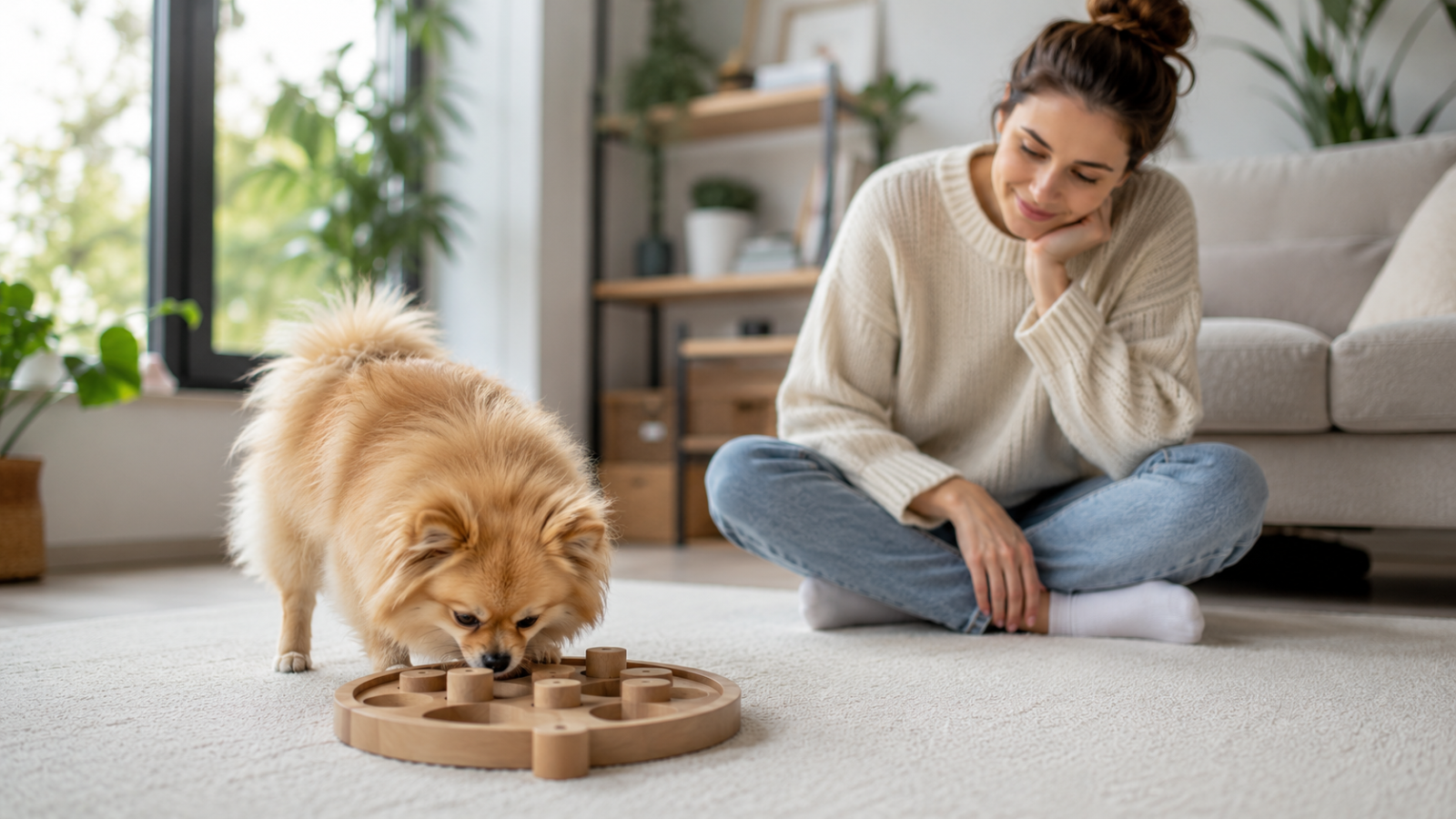
Food safety is not only about the food itself. It is also about the object that delivers it. Many separation anxiety owners use puzzle toys, treat balls, lick mats, rolling enrichment toys, and food-dispensing products because they can extend engagement and create mental stimulation. These tools can be excellent for some dogs, but they should never be treated as universally safe. A dog who gently interacts with a puzzle toy may be able to use it without concern. Another dog may bite it, crack it, chew off pieces, or become frustrated enough to destroy it.
This is another place where knowing your dog matters more than following generic advice. Some dogs are problem-solvers, while others are destroyers. Some dogs use their paws and noses delicately, while others use their teeth as the main tool for solving everything. Some dogs become calm when working with puzzles, while others become increasingly frustrated if the food does not appear quickly enough. If the toy creates frustration, it may not help with separation anxiety at all. It may simply add another layer of stress to an already difficult situation.
Owners should introduce enrichment toys during supervised periods before using them during absences. They should inspect toys regularly for cracks, sharp edges, missing pieces, or signs of damage. They should choose products appropriate for the dog’s size and chewing strength. They should also avoid assuming that a product labeled for dogs is automatically safe for their specific dog. The question is not whether the toy is generally popular. The question is whether your dog can use it safely when you are not there.
Digestive Problems Can Make Everything Harder
Another important risk is digestive upset. Many enrichment ideas involve foods that may be richer, fattier, or more varied than the dog normally eats. Yogurt, wet food, peanut butter, cheese, dried animal parts, special treats, and frozen mixtures can all cause problems in dogs with sensitive stomachs. Even foods that are technically safe for dogs may not be tolerated well by every individual. A dog who develops diarrhea, vomiting, gas, or stomach discomfort after enrichment may become more restless, more anxious, and less able to cope during absences.
This is especially important for puppies, senior dogs, small dogs, and dogs with known gastrointestinal sensitivity. Their bodies may not tolerate sudden changes easily. Owners should introduce new foods gradually and in small amounts rather than creating elaborate enrichment recipes immediately. Simple is often safer at the beginning. If the dog tolerates a familiar ingredient well, the owner can slowly experiment from there. If symptoms appear, the enrichment plan should be adjusted rather than repeated simply because the food is popular online.
Veterinary input can be very useful here. If food enrichment is going to become a regular part of separation anxiety management, it is worth discussing appropriate ingredients, calories, and chew choices with a veterinarian. This is particularly important for dogs with allergies, pancreatitis history, weight problems, dental issues, or chronic digestive conditions. Separation anxiety is already a stressful condition for both dog and owner. Food enrichment should make life easier, not create a second medical problem.
The Safest Food Tool Is The One That Fits Your Dog
There is no universal best chew, best puzzle, best lick mat, or best frozen food recipe. The safest and most useful choice depends on the individual dog. A tiny Pomeranian, a young Labrador, a senior terrier, and a powerful adolescent shepherd may all need completely different enrichment strategies. Their calorie needs, chewing styles, frustration tolerance, dental health, and digestive sensitivity may be completely different. This is why copying another owner’s routine can be risky, even when that owner is experienced and well-intentioned.
A safer approach begins with observation. Watch how your dog eats. Watch how your dog chews. Watch what happens when they are excited, tired, hungry, or mildly stressed. Notice whether they lick calmly, chew carefully, swallow quickly, or attempt to destroy objects. Notice whether they become more relaxed after food enrichment or more activated. Notice whether they can disengage from food naturally or become obsessive. These small details tell you far more than a product description ever could.
When food enrichment works well, it should feel supportive rather than risky. The dog should be able to engage with the item safely, digest it comfortably, and remain within a reasonable calorie range. The activity should help create a calmer environment rather than introducing danger, frustration, or overexcitement. If an item does not meet those conditions, it is not the right tool for that dog at that moment, even if it works beautifully for someone else’s dog.
Food Is A Management Tool, Not Something To Use Carelessly
Food can be a genuinely helpful part of managing separation anxiety, but it should be used with respect for its limitations and risks. It can help some dogs redirect attention, engage in natural calming behaviors, and tolerate short absences more comfortably. It can also help owners create routines that feel more manageable during a long training journey. However, food is not automatically safe, and it is not automatically appropriate simply because it keeps the dog occupied.
The most responsible approach is to treat food enrichment as one part of a broader plan. That plan should include observation, realistic training, safe environmental choices, veterinary guidance when needed, and an honest understanding of the dog’s individual behavior. Owners should avoid using food as a distraction that allows them to ignore the dog’s real threshold. They should also avoid using unsafe chews or fragile toys simply because they create longer engagement. In separation anxiety work, longer is not always better if the method creates risk.
Ultimately, the purpose of food enrichment is to support the dog, not to create new problems. A carefully chosen lick mat, safe puzzle, appropriate frozen meal, or suitable chew may become a useful part of daily life. The same tool used carelessly may create digestive issues, weight gain, dental injury, choking risk, or anxiety around food. The difference is not only the product. The difference is the owner’s understanding of their dog.
Final Thoughts
Food can be one of the most useful tools in separation anxiety management, but it requires more thought than many people realize. Owners often reach for treats, frozen food, chews, and puzzles because they want to help their dogs, and that instinct is completely understandable. When a dog is struggling, anything that creates a calmer moment feels valuable. The challenge is making sure that the tool chosen to reduce stress does not accidentally create a different kind of danger.
A good food enrichment plan respects the whole dog. It considers calories, digestion, chewing style, size, age, health, stress level, and safety during unsupervised time. It recognizes that some dogs are careful and slow, while others gulp, destroy, or become overly intense. It also accepts that food may not work for every dog with separation anxiety, especially when anxiety is severe enough to suppress appetite or create frantic behavior. None of this means food should be avoided completely. It means food should be used intelligently.
The goal is not to fill the home with more treats, more chews, and more toys. The goal is to choose the right support for the right dog at the right moment. When owners understand that distinction, food enrichment can become a kind and practical tool rather than a careless shortcut. In separation anxiety work, every tool should serve the same purpose: helping the dog feel safer, healthier, and more supported without compromising their wellbeing in the process.
Log tonight's session from your phone
The Qualma app is available now on Android and iPhone. Sign in with your existing account — no need to subscribe twice.