
Travelling With a Dog That Has Separation Anxiety
Travelling with a dog that has separation anxiety? Learn how to manage hotels, Airbnbs, routines, and avoid setbacks while keeping your dog calm during holidays.
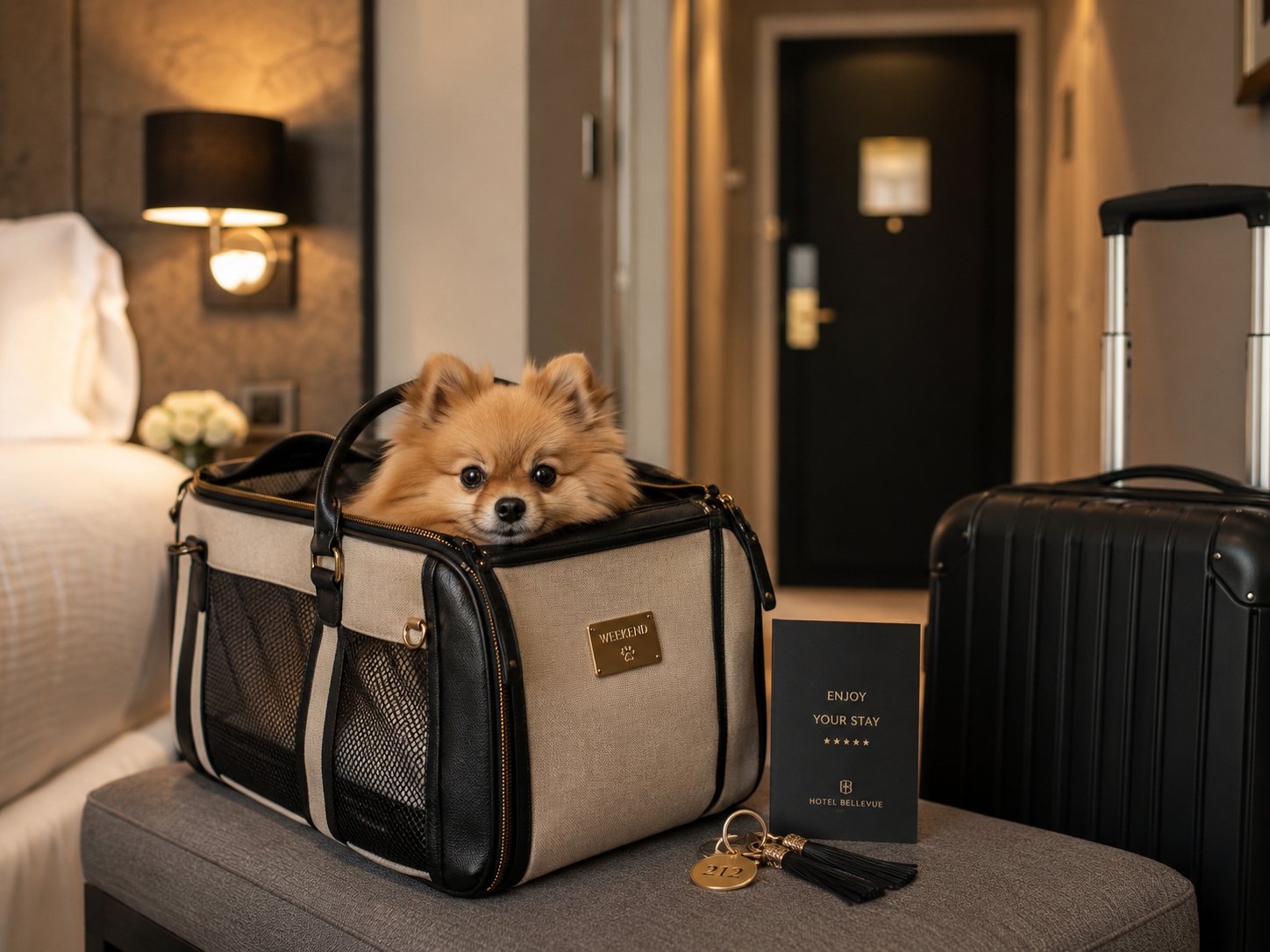
Travelling with a dog who has separation anxiety can feel overwhelming, especially when routines change, environments are unfamiliar, and predictability disappears. What should be a relaxing holiday often becomes a source of stress, as owners worry about how their dog will cope in hotels, Airbnbs, or family homes. The challenge is not just the new location, but the disruption of everything the dog relies on to feel safe. Separation anxiety is deeply connected to routine, environment, and predictability, which means travel introduces multiple variables at once. However, with thoughtful preparation, realistic expectations, and a flexible approach, it is possible to travel without undoing progress or increasing stress. This article explores how to manage holidays with an anxious dog, from choosing the right accommodation to maintaining routines, avoiding setbacks, and planning for unexpected situations. The goal is not perfection, but creating a travel experience that supports both you and your dog.
Why Travel Feels So Difficult With an Anxious Dog
For most dog owners, travel is a break from routine. For a dog with separation anxiety, routine is exactly what provides stability.
At home, your dog learns patterns. They know where they rest, where you leave from, what sounds are familiar, and how the day typically unfolds. Even small consistencies—like the timing of walks or the layout of the space—help create a sense of predictability.
When you travel, almost all of these elements change at once. The environment is different. The smells are unfamiliar. The sounds are new. Even your own behavior may shift slightly as you adapt to a new place. For a sensitive dog, this can increase baseline stress before separation is even introduced.
This is why travel can sometimes make separation anxiety feel worse, even if progress has been steady at home. It is not that the training has stopped working. It is that the context has changed.
Understanding this helps set realistic expectations. Travel is not a continuation of normal training conditions. It is a new scenario that requires adjustment.
Choosing the Right Environment: Hotels, Airbnbs, or Family Homes
Not all environments are equally suitable for a dog with separation anxiety, and choosing the right one can make a significant difference.
Hotels often present challenges because of noise and unfamiliar activity. Hallways, elevators, other guests, and housekeeping can create constant background stimulation. For some dogs, this makes settling more difficult, especially when left alone.
Airbnbs or short-term rentals can offer a more controlled environment. Having a full apartment or house allows for quieter spaces and more flexibility in managing the dog’s routine. It also reduces unexpected interruptions.
Staying with family or friends can be helpful, but it depends on the environment. If the household is busy or unpredictable, it may increase stress. On the other hand, if there are familiar people and a calm atmosphere, it can provide additional support.
The key is not finding a perfect environment, but minimizing unnecessary stressors. Quiet spaces, predictable layouts, and fewer external triggers can make a noticeable difference.
Why You Should Avoid Testing Alone Time in New Environments
One of the most common mistakes during travel is assuming that a dog who can stay alone at home will behave the same way in a new place.
In reality, a new environment resets many of the associations the dog has built. The cues, smells, and context that supported calm behavior at home are no longer present. This means the dog may respond differently, even if they were previously comfortable.
Testing longer absences in a new environment can lead to setbacks. The dog may experience distress, which reinforces the association between being alone and feeling unsafe in that context.
Instead of testing limits, it is often better to be conservative. If you need to leave your dog, consider alternatives such as taking them with you, arranging a sitter, or keeping absences very short and controlled.
This is not a step backward. It is a way of protecting the progress you have already made.
Maintaining Routine in an Unfamiliar Place
While travel changes many variables, maintaining elements of routine can help create stability.
This includes consistent feeding times, walk schedules, and pre-departure patterns. Familiar items such as your dog’s bed, blanket, or toys can also provide comfort by introducing familiar scents.
Even small consistencies matter. The way you prepare to leave, the order of activities, and your overall demeanor can signal predictability.
Routine does not need to be identical to home. It needs to be recognizable. The goal is to give your dog something familiar to anchor to in a new environment.
Managing Your Own Expectations During Travel
One of the most important shifts during travel is adjusting your expectations.
Progress made at home does not always translate immediately to new environments. This is normal. Expecting the same level of independence can create pressure and lead to decisions that increase stress.
Instead of focusing on maintaining the same duration, focus on maintaining calmness. Short, successful experiences are more valuable than longer, stressful ones.
Travel is not the time to push boundaries. It is the time to stabilize, maintain, and observe.
Practical Strategies for Different Travel Situations
Staying in a Hotel
If you are staying in a hotel, choose rooms that minimize external noise, such as those at the end of a hallway or away from elevators. Use familiar items to create a comfortable space, and avoid leaving your dog alone for extended periods unless you are confident in their response.
Staying in an Airbnb
Use the space to your advantage. Create a designated area where your dog can settle, and maintain a consistent routine. If possible, introduce the dog gradually to different parts of the space rather than overwhelming them all at once.
Visiting Family or Friends
Communicate expectations clearly. Let others know what your dog needs in terms of routine and space. Avoid situations where multiple people interact unpredictably, especially during early adjustment.
Emergency Planning: Preparing for the Unexpected
Travel introduces uncertainty, and having a plan for unexpected situations can reduce stress.
Identify local pet sitters or daycare options in advance. Research nearby veterinary clinics. Have a backup plan if you need to leave your dog for longer than expected.
These preparations may not be needed, but they provide reassurance. Knowing that you have options reduces pressure and allows you to respond calmly if something changes.
Avoiding Setbacks During Holidays
Setbacks during travel are not uncommon, but they can often be minimized with careful planning.
Avoid sudden increases in alone time. Monitor your dog’s behavior closely, especially in the first days. Adjust your approach based on what you observe rather than what you expect.
If a setback does occur, treat it as information rather than failure. Return to shorter durations, rebuild confidence, and maintain consistency.
Progress is not lost easily, but it can be affected by repeated stressful experiences. Preventing those experiences is more effective than trying to correct them afterward.
Supporting Your Dog’s Emotional State
Travel is not just a logistical challenge. It is an emotional one.
Your dog looks to you for cues about safety and predictability. Staying calm, consistent, and responsive helps create a stable environment, even when the surroundings change.
This does not mean ignoring challenges. It means responding to them with awareness rather than urgency.
Your presence, your routine, and your behavior are the most familiar elements your dog has. Maintaining those elements provides continuity, even in unfamiliar places.
Final Thoughts
Travelling with a dog that has separation anxiety is not about replicating perfect conditions. It is about adapting to change in a way that supports stability.
By choosing the right environment, maintaining routine, avoiding unnecessary pressure, and planning for flexibility, you can create a travel experience that works for both of you.
Progress does not have to stop during holidays. It simply takes a different form—one focused on maintaining confidence rather than pushing limits.
Your dog does not need a perfect trip. They need a predictable, supportive experience. And with the right approach, that is entirely possible.
Log tonight's session from your phone
The Qualma app is available now on Android and iPhone. Sign in with your existing account — no need to subscribe twice.