
Does My Dog Have Separation Anxiety or Just Boredom?
Is your dog anxious when left alone or just bored? Learn how to tell the difference between separation anxiety and boredom, and choose the right approach to fix the behavior.
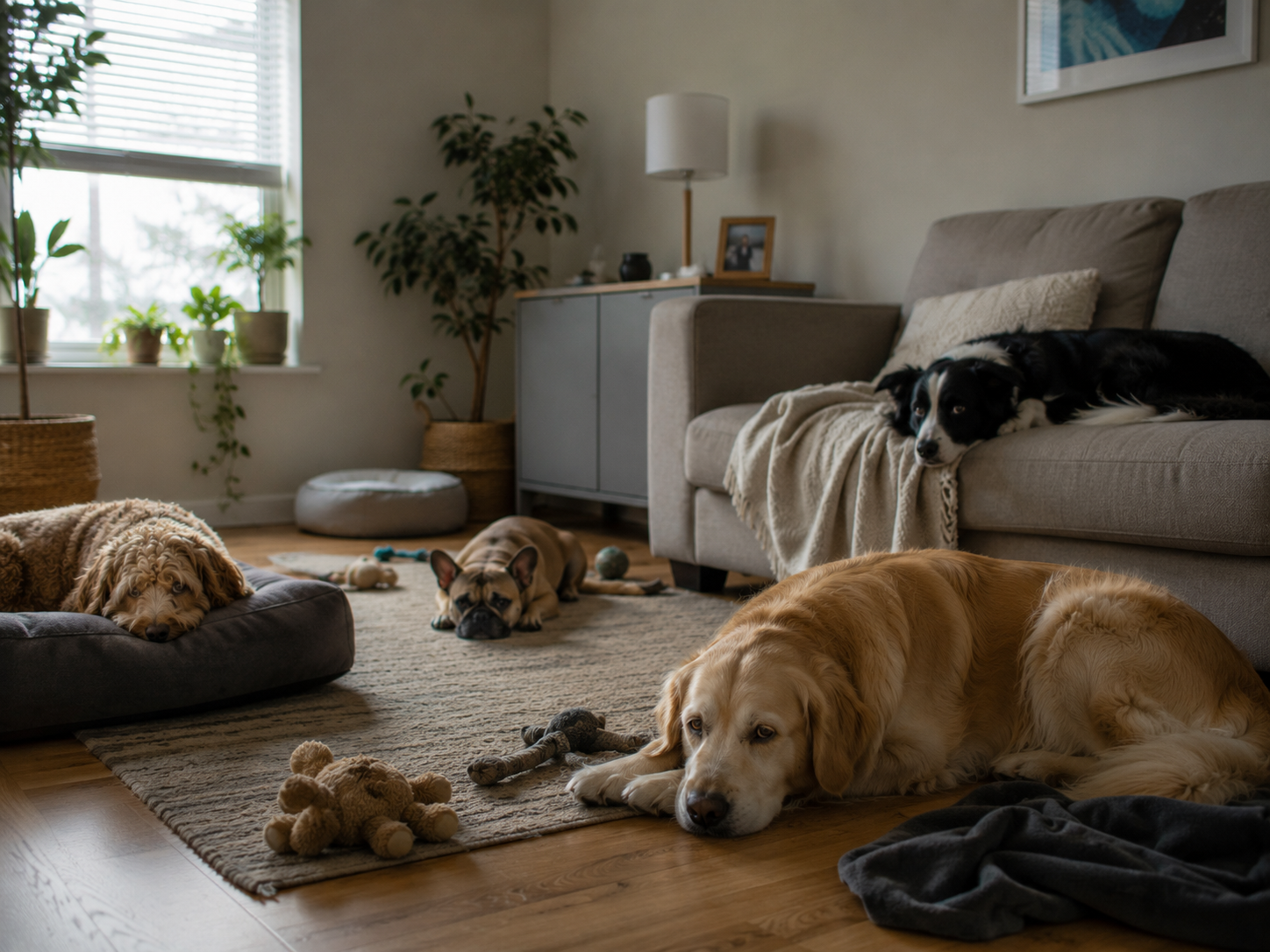
One of the most common questions dog owners face when dealing with unwanted behavior at home is whether their dog is experiencing separation anxiety or simply reacting to boredom. The distinction can be difficult to make because the visible symptoms—barking, destruction, restlessness—often look similar on the surface. However, the underlying causes are fundamentally different, and misunderstanding them can lead to ineffective solutions, unnecessary frustration, and slower progress. A bored dog requires stimulation, structure, and outlets for energy, while a dog with separation anxiety requires emotional support, gradual exposure, and confidence-building. Treating one as the other can unintentionally reinforce the problem. By learning how to recognize patterns, timing, intensity, and context, owners can begin to understand what their dog is actually experiencing. This article will help you differentiate between separation anxiety and boredom, explore related factors such as frustration, lack of exercise, and medical issues, and guide you toward making more informed decisions.
Why This Question Is So Important
When a dog shows unwanted behavior while alone, the immediate instinct is to fix it as quickly as possible. You might come home to chewed furniture, complaints from neighbors about barking, or signs that your dog has been restless for hours. Naturally, you want to understand why it is happening.
The problem is that similar behaviors can have very different causes. A dog that destroys a cushion out of boredom is not experiencing the same emotional state as a dog that scratches at the door in panic. The external result may look the same, but the internal experience is entirely different.
This matters because solutions that work for boredom—such as longer walks, puzzle toys, or increased activity—do not address the emotional distress of separation anxiety. At the same time, treating boredom as anxiety can lead to unnecessary concern and overly restrictive routines.
Clarity is not just helpful—it is essential. Without it, you risk applying the wrong strategy and becoming frustrated when it does not work.
What Separation Anxiety Looks Like
Separation anxiety is driven by emotional distress related to being alone. The behavior is not random or exploratory. It is a reaction to the absence of the owner.
One of the most defining characteristics is timing. Dogs with separation anxiety often begin reacting almost immediately after the owner leaves. There is little delay. The absence is noticed, and the emotional response follows quickly.
The behavior itself tends to be intense and persistent. Barking may continue for long periods without settling. Pacing, whining, or attempts to escape may be repeated and focused. Destruction, when it occurs, is often directed at doors, windows, or objects associated with the owner’s departure.
Another key indicator is the dog’s inability to relax. Even if the intensity fluctuates, the overall state remains elevated. The dog does not transition into rest or sleep easily.
Perhaps one of the most important signs is lack of interest in food. A dog experiencing true anxiety may ignore even high-value treats when left alone. This is because their emotional state overrides their normal motivations.
What Boredom and Lack of Stimulation Look Like
Boredom is a very different experience. It is not driven by fear or distress, but by a lack of engagement.
A bored dog may look for ways to entertain themselves. This can include chewing objects, exploring the environment, or reacting to external stimuli such as noises or movement outside. The behavior may be disruptive, but it is not driven by panic.
Timing again provides an important clue. Boredom-related behavior often appears after a period of time, rather than immediately. The dog may initially settle, then become active later as they seek stimulation.
Another key difference is the ability to disengage. A bored dog is more likely to stop an activity if something else captures their attention. They may alternate between periods of activity and rest.
Food and enrichment are also useful indicators. A bored dog will usually engage with toys, puzzles, or treats. These items provide the stimulation they are lacking and can occupy their time effectively.
The Role of Frustration
Frustration can sit somewhere between boredom and anxiety, and it is often misunderstood.
A frustrated dog may react strongly to being confined or restricted. This can include barking, jumping, or attempting to access something they want. Unlike anxiety, frustration is not primarily about fear of being alone. It is about being unable to perform a desired behavior.
For example, a dog that is used to constant interaction may become frustrated when that interaction is suddenly unavailable. The response can look intense, but it tends to be more situational and less persistent than true anxiety.
Understanding frustration helps avoid mislabeling behavior. It also highlights the importance of teaching dogs how to cope with limitations in a structured way.
When Lack of Exercise Plays a Role
Physical and mental stimulation are essential for a dog’s overall wellbeing. A dog that does not have sufficient outlets for energy may struggle to settle when left alone.
However, lack of exercise does not create separation anxiety on its own. It can amplify existing issues, making behavior more intense or more frequent, but it is not the root cause of emotional distress.
A well-exercised dog with separation anxiety may still react strongly to being alone. Conversely, a dog with adequate stimulation but no anxiety may remain calm even without constant activity.
This distinction is important because it prevents oversimplifying the problem. Increasing exercise can be helpful, but it is not a complete solution for anxiety.
Could It Be a Medical Issue?
Behavioral changes are not always purely behavioral. Physical discomfort or medical conditions can influence how a dog behaves when alone.
Pain, digestive issues, or other health concerns can create restlessness, vocalization, or changes in activity levels. In some cases, these symptoms may appear similar to anxiety.
If behavior changes suddenly or is accompanied by other signs such as changes in appetite, sleep, or energy levels, it is worth considering a medical check. Ruling out physical causes provides a clearer foundation for training.
How to Tell the Difference in Practice
The most reliable way to understand your dog’s behavior is through observation. Patterns over time provide more accurate information than isolated incidents.
Using a camera is one of the most effective tools. It allows you to see exactly when the behavior begins, how long it lasts, and whether the dog is able to settle.
Ask yourself a few key questions. Does the behavior start immediately or after a delay? Is it continuous or intermittent? Does the dog engage with food or toys? Are the actions focused on exit points or more general?
These details help build a clearer picture. They move the analysis from assumption to evidence.
Why Getting It Right Changes Everything
Correctly identifying the cause of behavior is not just about accuracy. It directly influences the outcome of training.
If the issue is boredom, increasing stimulation and structure can lead to quick improvements. If the issue is anxiety, progress requires a different approach—one that focuses on emotional regulation, gradual exposure, and building confidence.
Misidentifying the problem can lead to frustration on both sides. The dog does not improve, and the owner feels like nothing is working. This can create a cycle of trial and error that delays real progress.
Clarity simplifies decision-making. It allows you to focus your effort where it matters most.
Final Thoughts
The question of separation anxiety versus boredom is not about choosing between two labels. It is about understanding the emotional experience behind your dog’s behavior.
While the signs may look similar, the causes are different, and those differences matter. By paying attention to timing, intensity, and patterns, you can begin to see what your dog is actually communicating.
Your goal is not to diagnose perfectly on the first attempt. It is to observe, learn, and adjust. Over time, this approach leads to better decisions, more effective training, and a calmer environment for both you and your dog.
Understanding your dog is the foundation of helping them. And that understanding begins with asking the right questions.
Log tonight's session from your phone
The Qualma app is available now on Android and iPhone. Sign in with your existing account — no need to subscribe twice.