
Sudden Separation Anxiety in Senior Dogs: What to Rule Out First
A dog who was reliably fine alone for years and suddenly cannot manage it is a genuinely different situation from a young dog who has always struggled. When an older dog changes suddenly, the explanation usually sits in their body rather than their training history. This article covers what commonly causes sudden alone-time struggles in senior dogs — pain, sensory decline, cognitive changes, and medical causes of accidents — and why a vet visit has to come before any training plan.
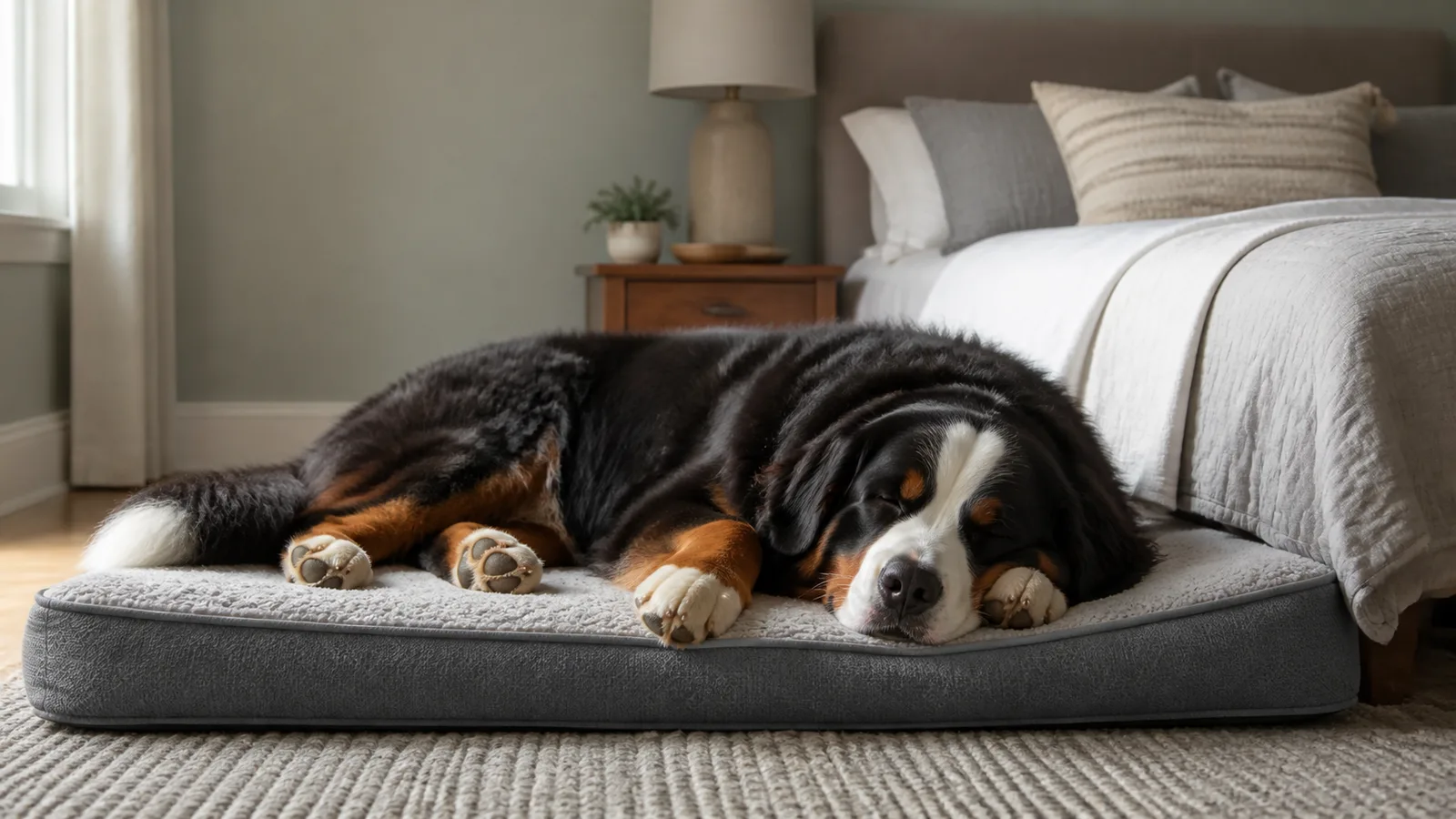
A dog who was reliably fine alone for years and suddenly cannot manage it is a genuinely different situation from a young dog who has always struggled. When the change is sudden and your dog is older, the explanation is far more likely to sit in their body than in their training history, which means the usual separation anxiety advice is not where you should start. This article covers what actually causes sudden alone-time struggles in senior dogs, why a veterinary check has to come before any behavioral plan, and what the appointment should cover so nothing important gets missed.
See Your Vet Before You Start Any Training Plan
This is the single most important thing in this article, so it comes first rather than last. Sudden behavior changes in older dogs are frequently driven by a physical cause, and no amount of separation anxiety training addresses pain, failing senses, or a developing medical condition. Nothing here is veterinary advice or a substitute for an examination; it is meant to help you have a more useful conversation with your vet, not to replace that conversation.
Book the appointment before you begin any behavioral approach, not after you have already tried one and it has not worked. Waiting until training fails costs weeks that could have gone toward the actual cause instead. If your dog's last vet visit is more than six months old, mention that too, since a general check can surface something relevant even if it seems unconnected to the alone-time issue itself. Older dogs benefit from more frequent checks than younger ones for exactly this reason.
Why Does Sudden Onset Point Toward a Medical Cause?
Because behavior that has been stable for years does not typically change overnight without a reason, and true separation anxiety usually has some earlier signs even when owners did not recognize them at the time. A dog who was genuinely fine alone for five years and then abruptly is not tends to have something new going on physically, whereas anxiety that was always present but mild can look sudden simply because it finally crossed a threshold you noticed. Distinguishing between these two patterns is exactly why the vet visit comes first.
The practical test is honest reflection on the timeline. Was there truly no earlier sign at all, or were there small things you dismissed at the time, such as slightly more clinginess or a little more restlessness before departures? Genuinely sudden onset with no earlier pattern is the strongest signal to look at health first.
What Physical Causes Commonly Explain This?
Pain is one of the most common and most overlooked. Arthritis, dental disease, and other sources of chronic discomfort can make a dog considerably more anxious in general, including about being left, and the connection is often missed because the dog is not limping or showing an obvious injury. Pain does not have to be dramatic to change how a dog copes emotionally with everyday stress.
Sensory decline is another frequent contributor. A dog losing their hearing or sight can become more anxious generally, including about separations, because the world has become less predictable and harder to read. This often develops gradually enough that owners do not notice until it has become significant, which is part of why a sudden-seeming change can actually reflect a slower underlying decline.
Cognitive dysfunction, sometimes described as doggy dementia, is a further possibility worth knowing about specifically. It can produce disorientation, changes in sleep patterns, and increased anxiety, including around being alone, and it is a recognized and diagnosable condition rather than simply "getting old." A vet can assess for it directly rather than you having to guess from behavior alone.
Could It Be a Urinary or Digestive Issue?
Yes, and this deserves its own mention because it is commonly misread as behavioral. A dog who has started having accidents while alone might be showing separation distress, but they might equally have a urinary tract infection, diabetes, kidney disease, or another medical condition that makes holding on genuinely difficult regardless of their emotional state. Treating a medical accident as an anxiety symptom delays the actual treatment and adds an unfair layer of frustration to something your dog cannot control.
The distinction is not always obvious from the outside, which is exactly why this needs veterinary input rather than owner guesswork. Watching more closely at home will not reveal a urinary tract infection or a rising blood sugar level, however carefully you observe. A vet can run the specific tests that separate these possibilities, which is simply not something available to you at home. Treating the wrong cause, even with good intentions, delays your dog getting the relief they actually need.
What Should You Tell Your Vet?
Be as specific as you can, since vague descriptions make this harder to diagnose than it needs to be. Useful details include exactly when the change started, whether it was genuinely sudden or crept in gradually, and anything else that has shifted around the same time, such as appetite, sleep, mobility, thirst, or general energy. Mention any accidents specifically, including whether they happen only when your dog is alone or at other times too.
If you have camera footage from before and after the change started, bring it or describe it in detail. What your dog's body is actually doing during an absence is far more informative than a general sense that things have gotten worse, and it can reveal patterns you have not consciously noticed, which is exactly the kind of detail covered in why a camera may be the most important tool you have. Also mention any medication or supplement your dog already takes, including anything you started yourself without asking first. This shapes what your vet can safely consider next, and skipping it risks a genuine interaction being missed.
What Happens if Everything Comes Back Clear?
A clear physical exam does not rule out a medical contributor entirely, and it also does not mean the answer is definitely behavioral. Some conditions, particularly early cognitive changes, are genuinely difficult to detect on a standard exam and may need further discussion or targeted testing to identify properly. Ask your vet directly what a clear result does and does not tell you, rather than assuming it closes the question.
If a medical cause has been reasonably ruled out, this may then be late-onset separation anxiety, which is a real and recognized pattern rather than something unusual for your dog to develop for the first time as a senior. Life changes such as another pet passing away, a house move, or a shift in routine can trigger it later in life just as they can at any age, and it responds to the same gentle, structured approach as separation anxiety at any other stage. Building tolerance back up gradually, and understanding what triggered the shift in the first place, are covered in why do dogs develop separation anxiety.
Does Training Need to Change for an Older Dog?
The core approach stays the same, but a few things need adjusting for comfort and pace. If pain or mobility is a factor, make sure your dog's resting space during absences is easy to get into and out of, and genuinely comfortable rather than merely available. A dog managing joint pain may also need a gentler pace of progress than a younger dog, since physical discomfort adds to what they are coping with even after it has been treated.
Cognitive changes can mean a senior dog needs more predictable routine, not less, since unpredictability is harder for a dog whose sense of time and place may already be less reliable than it used to be. The same feeding times, the same walk times, and the same resting spots help anchor a dog whose internal sense of pattern is starting to slip. The value of routine generally is something we cover in why routine helps dogs with separation anxiety, and it applies with particular force to a senior dog. Small, consistent details matter more here than they did earlier in your dog's life.
What If Your Dog Is in Pain but Not Obviously Limping?
This is worth addressing directly, because it is one of the most common reasons pain gets missed in older dogs. Chronic pain, especially from arthritis, frequently shows up as behavioral change rather than visible lameness, since dogs are often skilled at masking obvious signs of discomfort until it becomes severe. Reduced willingness to jump onto furniture, slower to rise, more irritable when touched, or simply more anxious in general can all be pain signals rather than purely emotional ones.
If your vet has not specifically discussed pain management as part of ruling this out, it is worth asking directly rather than assuming it has already been considered as a matter of course. A brief exam does not always surface chronic, low-grade discomfort unless someone is specifically looking for it. Treating underlying pain sometimes resolves alone-time struggles that looked, from the outside, entirely behavioral. It is a genuinely worthwhile question to ask even if nothing else about the visit suggested it.
What To Do This Week
If you have not already, book the vet appointment now rather than starting a training plan first and seeing how that goes. Every week spent guessing is a week not spent addressing whatever is actually going on. While you wait for the appointment, write down a timeline of what changed and when, including anything you initially dismissed as unrelated at the time. That timeline alone will make the appointment considerably more useful than arriving with only a general impression.
If you can, record a short piece of footage from a real absence to bring with you or describe in detail during the appointment. What your dog's body is actually doing during that time tells your vet far more than "he doesn't like being alone anymore." It shows the specific behavior rather than your general impression of it, which is a meaningfully different piece of information. Of everything you could prepare, this is the single most useful thing to bring to that first conversation.
Log tonight's session from your phone
The Qualma app is available now on Android and iPhone. Sign in with your existing account — no need to subscribe twice.